- Contact Us Now: 910-834-8400 Tap Here To Call Us


7 Mistakes to Avoid After a Car Accident in Wilmington NC



If you’ve been hurt in a car crash in Wilmington, what you do in the first hours and days afterwards can affect how an injury claim develops under North Carolina law. Evidence at the scene can disappear sooner than you might think. Well-intended statements can take on more importance than expected. Medical documentation and insurance review usually unfold over time, not all at once. Those are some of the reasons why we think it makes sense to pay close attention to the early details of an accident claim, especially when evaluating who is at fault and calculating damages.
Key Tip: North Carolina follows the contributory negligence rule. That’s a harsh legal doctrine that can allow an insurance carrier a potential pathway to deny recovery, even if that’s not supported by the facts. “Contrib” is a legal defense that is all too often asserted by adjusters. If they can prove the injured driver contributed to the collision through his or her own negligence, recovery may be barred. That’s true even if you were only 1% responsible for the wreck. That’s also why insurance adjusters and defense lawyers examine crash cases closely to see if there is any way to avoid legal liability. Understanding where claims lose traction can help protect both your health and your legal options.
Why some decisions after a crash matter in coastal North Carolina
Vehicle collisions in Wilmington and the surrounding coastal counties regularly come with factual disputes. Who did what? Who is responsible? What caused the accident? Most folks realize that seasonal tourism, unfamiliar drivers, construction corridors, and heavy traffic along routes such as Market Street, Oleander Drive, and College Road can create situations where liability is not always obvious at first glance.
Across New Hanover County, Brunswick County, Pender County, and nearby coastal communities, the same early missteps seem to appear again and again. That can make accident claims more difficult than they need to be. Avoiding problems, even if simple missteps or misstatements, puts you in a stronger position from the outset.
| Action Item | The Insurance Adjuster’s Goal | How a Lawyer Protects You |
| Recorded Statement | To identify a “1% mistake” that may bar recovery under NC’s Contributory Negligence law. | Helps avoid a misstatement or providing an incomplete account while under post-accident stress. |
| Initial Settlement Offer | To resolve the claim quickly with a “lowball” amount before the full extent of your injuries is documented. | Evaluates the true value of the insurance claim only after you reach Maximum Medical Improvement (MMI). |
| Medical Authorization | To comb through your history for pre-existing conditions and argue the crash didn’t cause your current pain. | Ensures the insurer has access only to records directly relevant to the crash, protecting your privacy. |
| Liability Assignment | To establish that you shared even 1% of the fault, which may allow the carrier to deny the claim entirely. | Utilizes professional investigation (skid marks, dash cams, witnesses) to prove legal liability and who is responsible. |
| Evidence Preservation | To allow time for surveillance footage to be overwritten or for vehicle damage to be repaired. | Issue formal Spoliation Letters to legally require the preservation of critical digital and physical evidence. |
1. Speaking casually at the crash scene
After a collision, drivers naturally want to explain what happened. Adrenaline is high. Polite people apologize out of habit. Sometimes they feel bad for the person who was negligent, who actually caused the accident. Others speculate about speed, distance, or what they think the other vehicle did, rather than knowing for sure what happened.
Those comments do not disappear. They can appear later in witness recollections, the crash report narrative, and insurance adjuster interviews. In a contributory negligence state like North Carolina, that can be a big deal. The defense may try to use informal remarks to suggest shared fault, attempting to deny legal liability and responsibility for your injuries and damages.
Key Tip: Provide identifying information and answer basic questions from law enforcement truthfully, but avoid guessing or volunteering unnecessary commentary. If you do not know an answer, it is both better and more appropriate to say you are unsure and allow the investigation to proceed based on physical evidence.
2. Leaving the scene without documenting key evidence
Evidence from the first minutes after impact can carry significant weight. Unfortunately, some drivers leave with little more than an exchange of insurance information and maybe a cell phone number or email address.
If it is safe to do so, use your phone to photograph vehicle positions, damage patterns, skid marks, debris, traffic signals, and lane markings. Take both wide shots and close-ups. Capture the other vehicle’s license plate and insurance card during the exchange. Record video of the scene, making certain to get different angles and distances from the accident scene.
Witness information can be incredibly valuable. A neutral observer who saw the crash can become important if fault is later disputed. If someone stops to help, obtain their name and contact number before that witness leaves the scene.
When law enforcement responds, it’s a good idea to ask how you can obtain a copy of the official accident report. That document can becomes one of the first reference points insurers review when evaluating liability.
Wilmington Police Department Accident Reports, click here. North Carolina State Highway Patrol Accident Report, click here.
3. Waiting too long to seek medical evaluation
Insurance carriers frequently examine the timing of medical care when evaluating injury claims. Delays can lead to arguments that symptoms were minor, unrelated, or caused by something that occurred later.
You do not need to exaggerate discomfort, but you should take symptoms seriously. Neck pain, back pain, headaches, dizziness, numbness, and shoulder complaints can develop and intensify after the initial shock (and adrenaline) wears off. Early evaluation by a medical professional can help create documentation connecting symptoms to the collision. That’s important.
Key Tip: Follow through on your doctor’s recommendations, including medications and physical therapy. Missed appointments or large gaps in treatment can complicate the medical timeline insurers rely on when assessing damages.
4. Providing a recorded statement to any adjuster without first talking to a lawyer
Soon after a crash, an insurance adjuster for the other driver’s insurance company will likely try to reach you, requesting a recorded statement, asking for your version of events. The conversation may sound routine. The adjusgter may even seem incredibly nice and willing to help. In fact, the request for a recorded statement may be framed as a standard step in processing the claim.
The insurance adjuster is not on your side. They represent the tort-feasor (the person responsible for the accident), not your best interests. If they can deny your claim, that makes the big insurance company money. If they can limit what they pay in damages or pay less than what your claim is worth, that’s pure profit for them.
Recorded statements are investigative tools. Questions are structured to establish timelines, highlight uncertainty, and explore possible contributory negligence arguments. Adjusters may ask about speed, following distance, visibility, distraction, prior injuries, and how you felt immediately after the collision.
Key Tip: We believe it’s smart to decline to give any type of statement, recorded or otherwise, to ANY insurance adjuster (including your own insurance company) until you have had time to talk to a lawyer who is looking out for your best interests.
5. Accepting a fast settlement
Early settlement offers can be appealing when medical bills and repair costs begin to accumulate. The challenge is that early offers are based on incomplete information. Injuries evolve. Diagnostic imaging may reveal findings that were not apparent in the first days after the crash. Treatment recommendations can change as symptoms develop.
Once a settlement release is signed, which is a legally binding document, the claim is closed. The insurance company will likely want a “full and final release of all claims.” If you sign that, even if your condition later worsens, you’re flat out of luck. There is not way to reopen an insurance claim or seek additional compensation for your losses.
Key Tip: Taking time to understand the full medical picture once maximum medical improvement is achieved, if that’s even possible, helps prevent resolving a case before its true value becomes clear. Put simply, before agree to sign anything or sign a release, talk to a lawyer who is representing your best interests. In fact, do not sign a Medical Authorization or Release of Medical Records without first consulting legal counsel.
6. Don’t underestimate how contributory negligence can hurt your claim for damages
North Carolina’s contributory negligence doctrine remains one of the most important features of injury litigation in the state. Insurance companies routinely examine whether they can argue that the injured driver’s conduct contributed to the collision. If that happens, you get nothing. Your claim very well may be denied.
Adjusters review factors such as following distance, speed relative to traffic conditions, lane position, attentiveness, and reaction time. They compare witness statements, crash reports, and vehicle damage patterns when building a liability position. It’s worth their while to do so. If they can find something, anything to avoid responsibility and deny your claim, that’s pure profit for the insurance company.
The contributory negligence legal framework does not mean that valid claims cannot succeed. It does mean proper documentation and attention to detail are important. Consistent, accurate statements, full documentation, and the preservation of objectively true evidence can help counter unsupported shared-fault arguments. And even with that, sometimes insurance carriers don’t do the right thing. They claim “contrib,” even when that’s contrary to the law and fact pattern.
Key Tip: Talk to a lawyer about your legal rights and options. An attorney can explain how the process works, what’s necessary for a well-documented claim, and how to avoid improper allegations of contributory negligence.
7. Allowing physical or digital evidence to disappear
Evidence in vehicle collision cases can vanish faster than expected. Vehicles get repaired. Salvage yards dispose of heavily damaged cars. Nearby businesses overwrite surveillance video on short retention cycles. Dash camera systems record over prior footage or aren’t preserved over time.
In collisions involving commercial trucks, the evidence picture can be more complex. Driver logs, electronic data, dispatch communications, and onboard video may be available for only limited periods unless preservation steps are taken promptly.
Social media can also create avoidable complications. Public posts, photos, and activity snapshots may be reviewed by insurers looking for material they can use to challenge injury claims. Limiting online discussion about the crash and your physical condition while the claim remains active is a cautious approach.
Key Tip: Accident lawyers help clients in several ways to protect and preserve evidence after an accident. That may involve going to scene to take pictures, speaking with witnesses, and even issuing a Preservation Notice or “Spoilation Letter” to the tort-feasor, employers, and insurance companies.
Steps that can help protect your legal position after a crash
Strong claims tend to share some common features. Medical evaluation occurs without unnecessary delay. The crash scene is documented when possible. Witness information is preserved and spoilation letters are sent to the responsible parties. Communications with insurers remain measured and accurate. Settlement decisions are made after the medical picture becomes clearer.
Key Tip: Maintaining organized records of treatment, bills, repair estimates, missed work, and insurance correspondence helps to preserve the claim as it develops over time.
Frequently Asked Questions | Wilmington Car Accidents
North Carolina is one of the few states that follows pure contributory negligence. This means if you are found even 1% responsible for the accident, you are legally barred from recovering any damages. Insurance adjusters focus heavily on this rule to look for any misstatement or minor error that might allow them to deny a claim entirely.
Adrenaline and shock can mask symptoms like whiplash, back pain, and internal injuries. Insurance adjusters frequently look for “gaps in treatment” to argue injuries aren’t crash-related. Seeking a medical evaluation as soon as symptoms appear can be incredibly important for properly documenting the medical timeline and causation issues.
Factual disputes are relatively common in accident claims. That’s one reason why physical evidence, like dash cam footage, skid marks, and police report diagrams, can make or break a case. Accident lawyers help by carefully examining what actually happened, documenting the true causes of the accident, and making a claim based on the facts and evidence.
It’s advisable to speak with an attorney before signing anything, including a Medical Release, Authorization for Medical Records, Power of Attorney, or Settlement Agreement. Releases are often overly broad and allow the insurance company to dig through years of your private medical history to find “pre-existing conditions.” That’s one reason it’s smart to have a lawyer, who is looking out for your best interests and not that of the insurance company, review any authorization to make sure only relevant records are shared.
In North Carolina, once you sign a “Full and Final Release,” your claim is closed forever. If you discover a week later that you need surgery or physical therapy, you cannot reopen the claim for more money. Waiting until you reach Maximum Medical Improvement (MMI) helps ensure the settlement reflects the actual cost of your injuries and long-term damages.
Filing an insurance claim does not stop or extend the statute of limitations in North Carolina. The legal deadline continues to run during insurance negotiations, and the claim is only preserved by filing a civil lawsuit within the applicable time period.
In most North Carolina car accident cases, the statute of limitations is three years from the date of the crash. That means a lawsuit for personal injury typically must be filed within three years, or the claim can be permanently barred.
Wrongful death claims in North Carolina generally must be filed within two years of the date of death. The clock usually starts on the date of death, which may differ from the date of the collision in some cases
If the applicable statute of limitations expires before a lawsuit is filed, the court can dismiss the claim regardless of its underlying merit. Insurance companies are aware of these deadlines and track them closely during negotiations.
It’s a good idea to speak with a car accident lawyer about the statute of limitations and other legal issues as soon as possible. That’s especially true in cases involving serious injury, disputed liability, commercial vehicles, and fatalities (wrongful death claims). A careful review of the dates, parties, and claim type helps ensure the correct deadline is identified and protected.
In a wreck in Wilmington? | Coxe Law Firm
Attorney Bradley Coxe grew up in Wilmington and has spent more than three decades representing injured clients throughout New Hanover County, Brunswick County, Pender County, and the surrounding coastal region. That experience includes evaluating how local traffic patterns, seasonal congestion, and roadway design can influence liability disputes and injury claims. It also means holding the insurance company responsible to pay a full and fair settlement when the facts and law support a valid claim.
If you were hurt in a Wilmington area crash and are not sure what comes next, it would be an honor to take a careful look at the facts and walk you through how North Carolina law may affect your claim. Call Bradley Coxe and Coxe Law Firm now to schedule a free consultation.
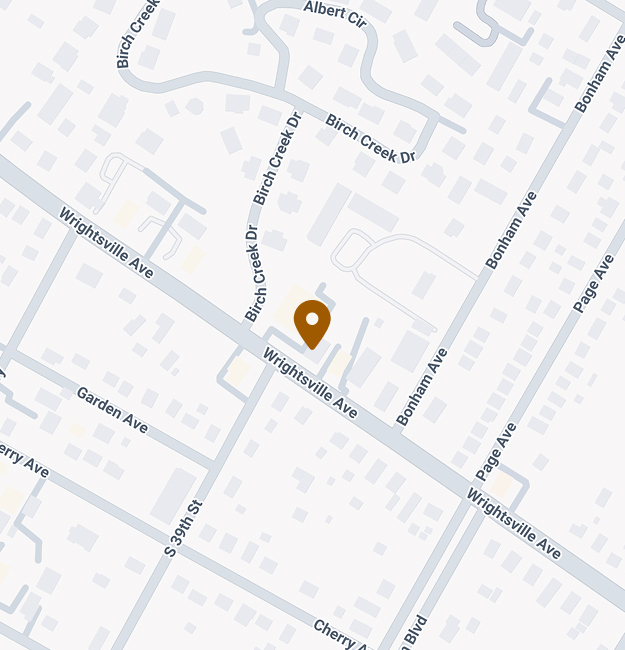
Address
What People Say?
"Had an excellent experience working with attorney Bradley Coxe to clarify laws and governance practices pertaining to Property Owners Associations in North Carolina. Scheduling a consultation was easy, and Mr. Coxe took the time to read the materials and provide clear...

"After having the opportunity to witness Mr. Coxe's skills in the courtroom ( in an unrelated matter) I decided to employ him in a HOA dispute I was having. He offered excellent and informed guidance in the matter. His promptness was appreciated and his skill apparent...